



From Europe to India
Born in 19th-century Europe as a free-reed keyboard instrument, the harmonium found its true home in Indian classical and devotional music — an inseparable companion to singers, saints, and storytellers.
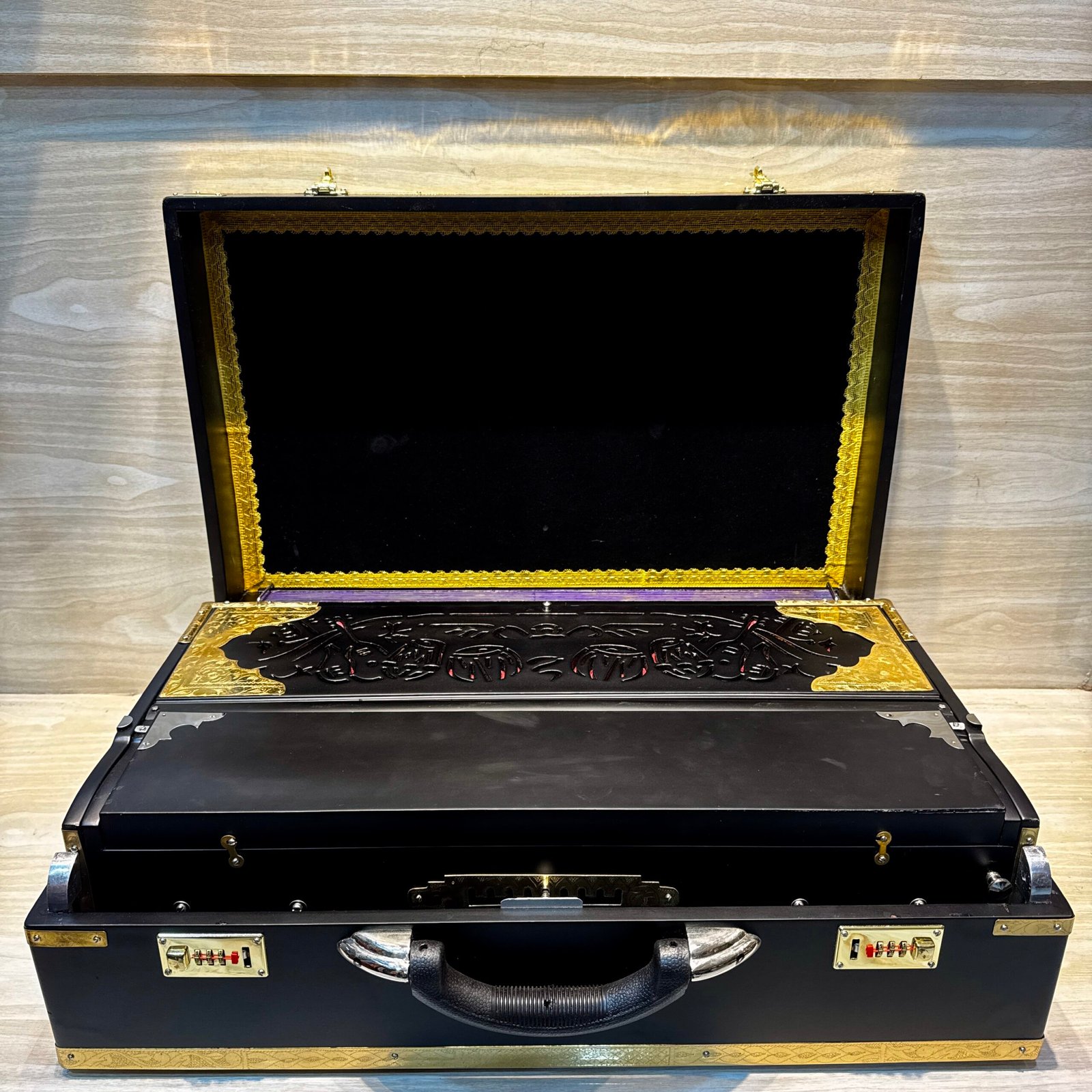
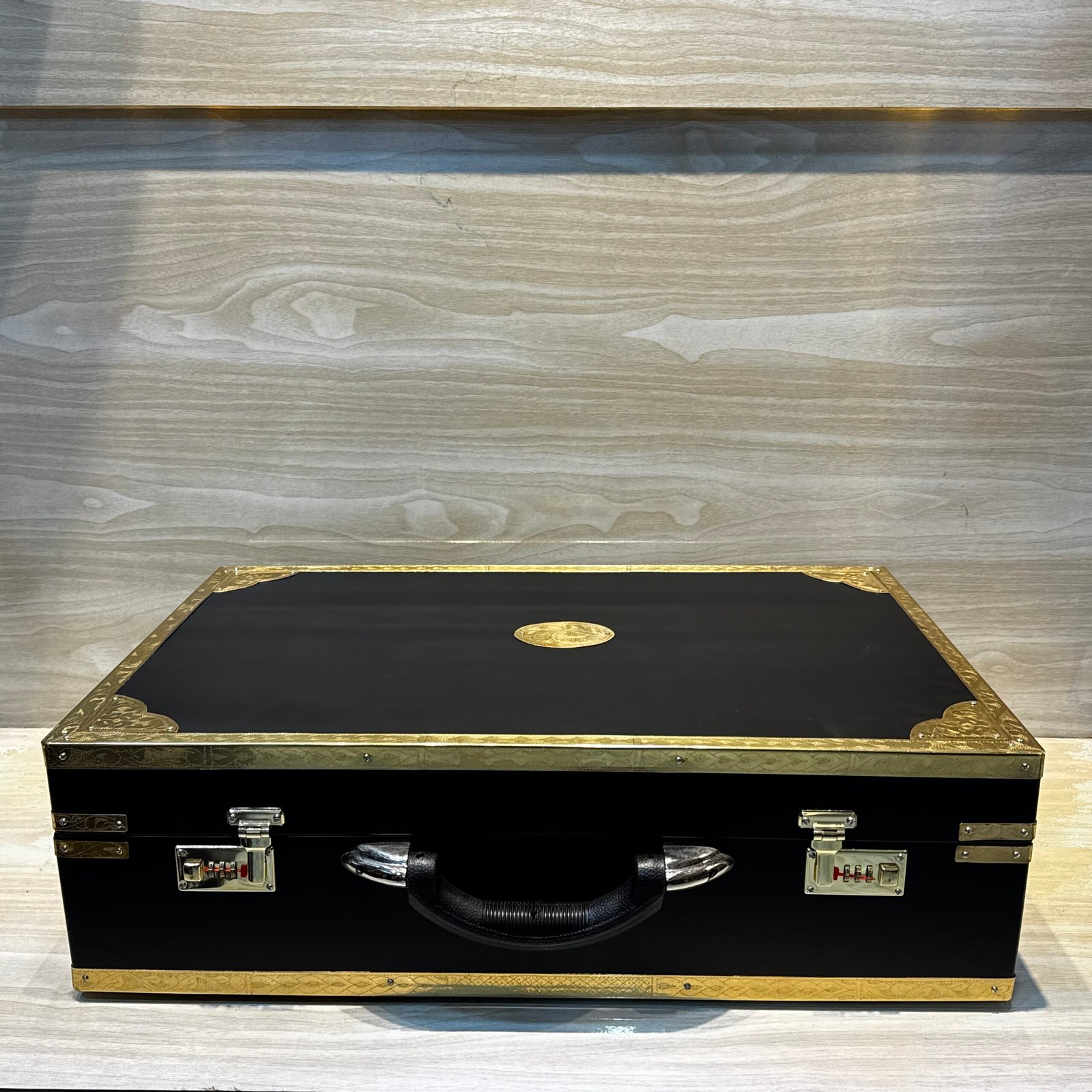
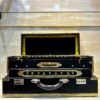
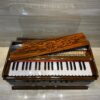
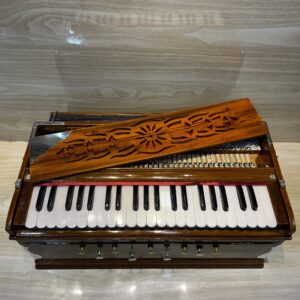
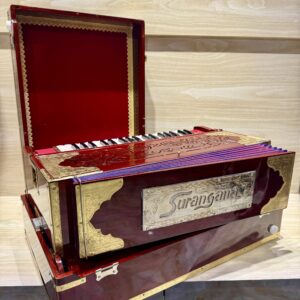
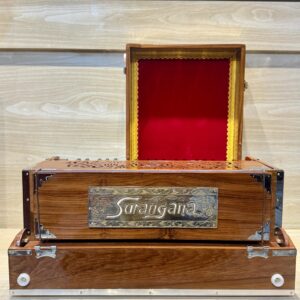
A small, portable organ
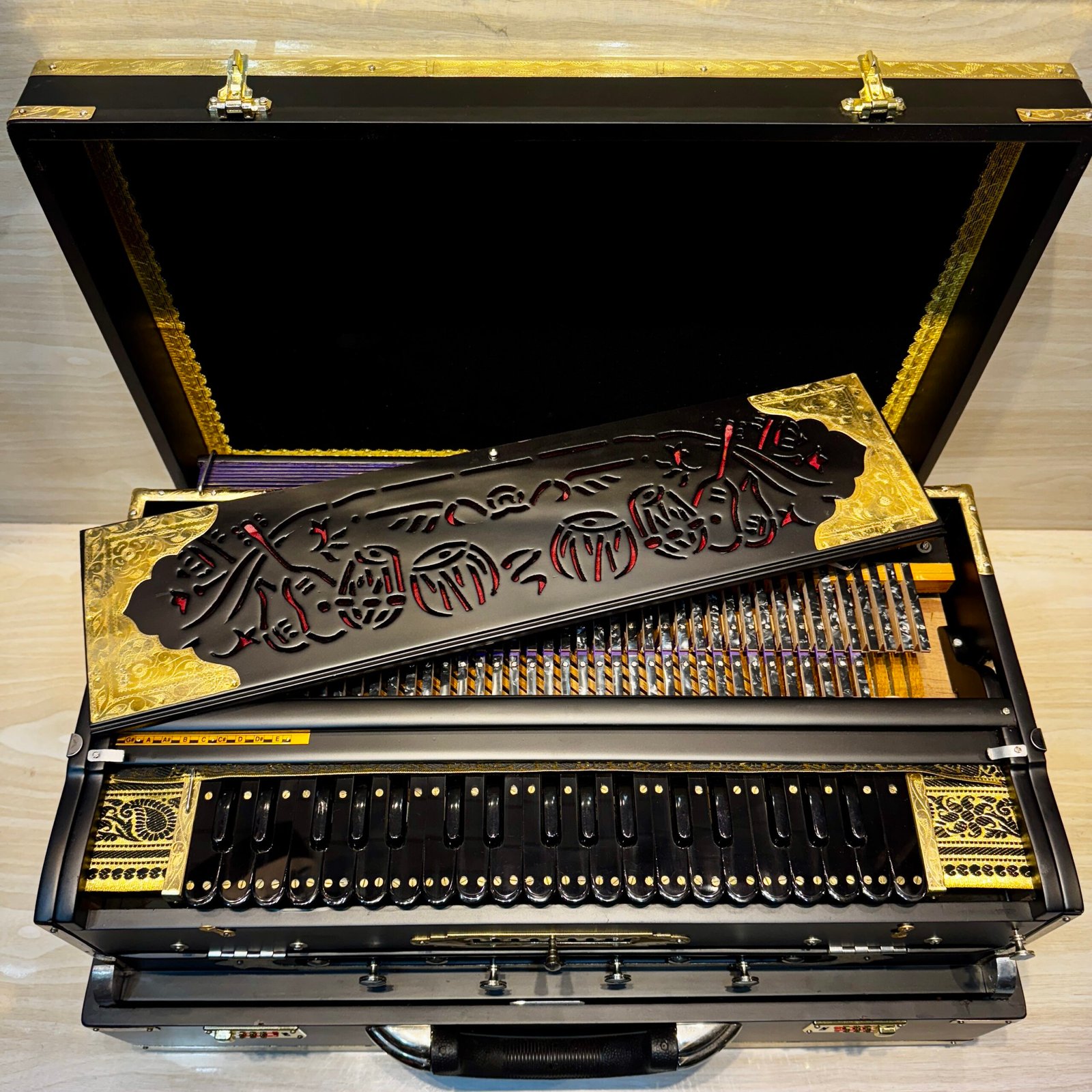
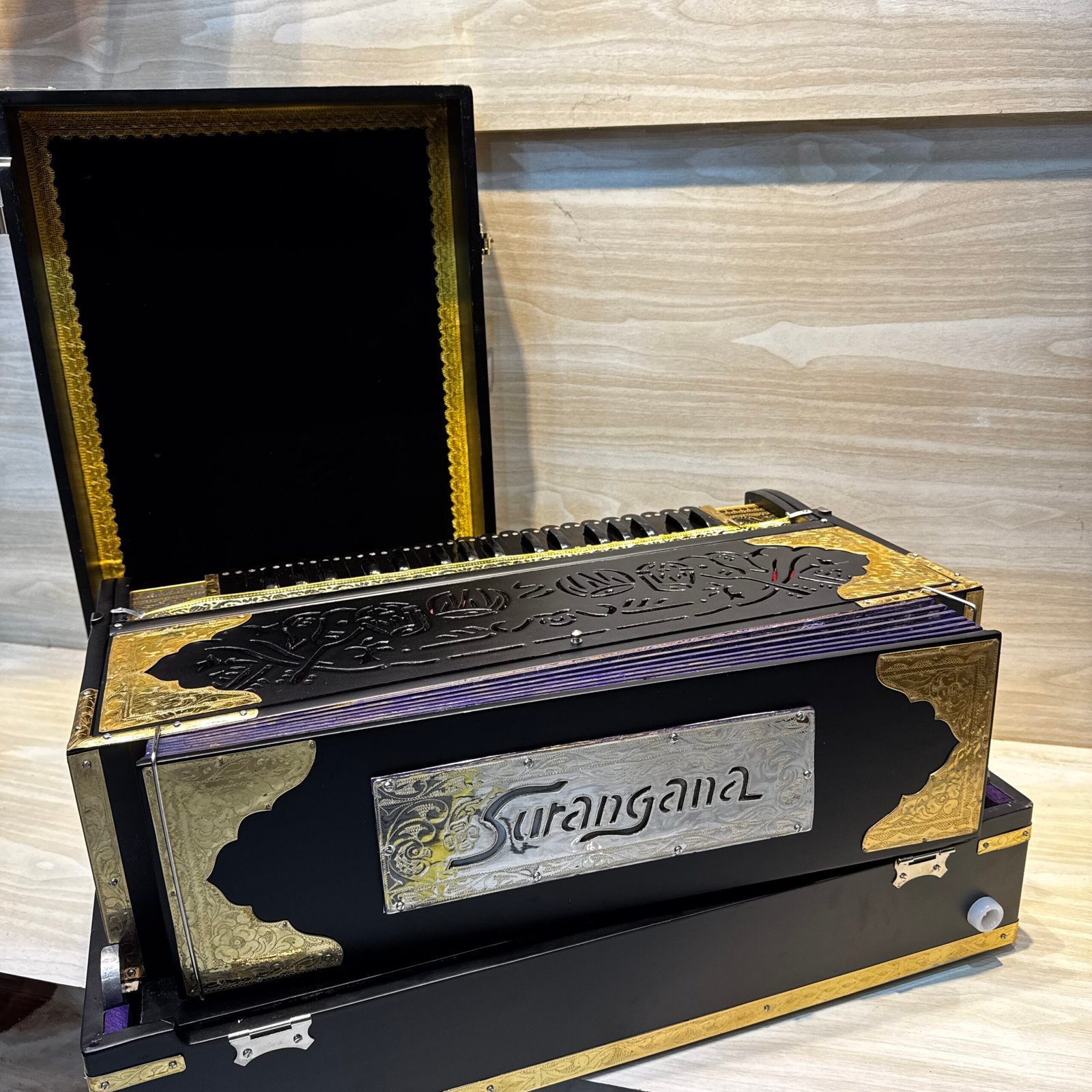
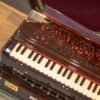
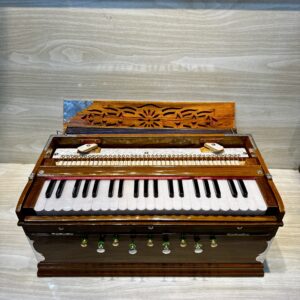
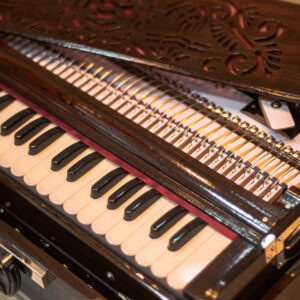
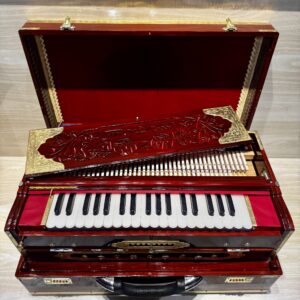
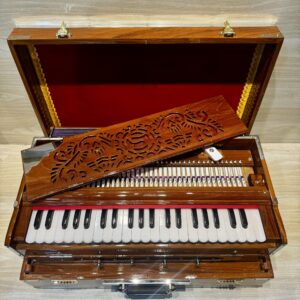
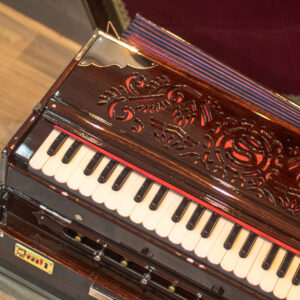
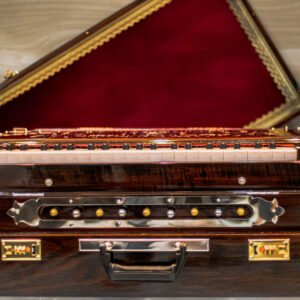
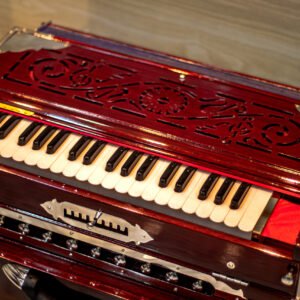
A wooden body with a keyboard spanning one to three octaves. Sound is produced when air from hand-operated bellows passes through reeds, creating a rich, sustained tone unlike any other instrument.
Bellows-driven sound
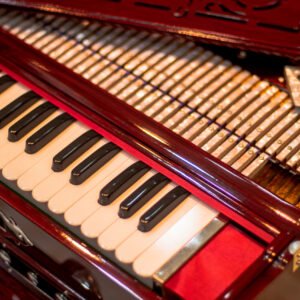
Hand-pumped bellows push air through metal reeds, producing a continuous tone that can be shaped in real time.
Stops and knobs
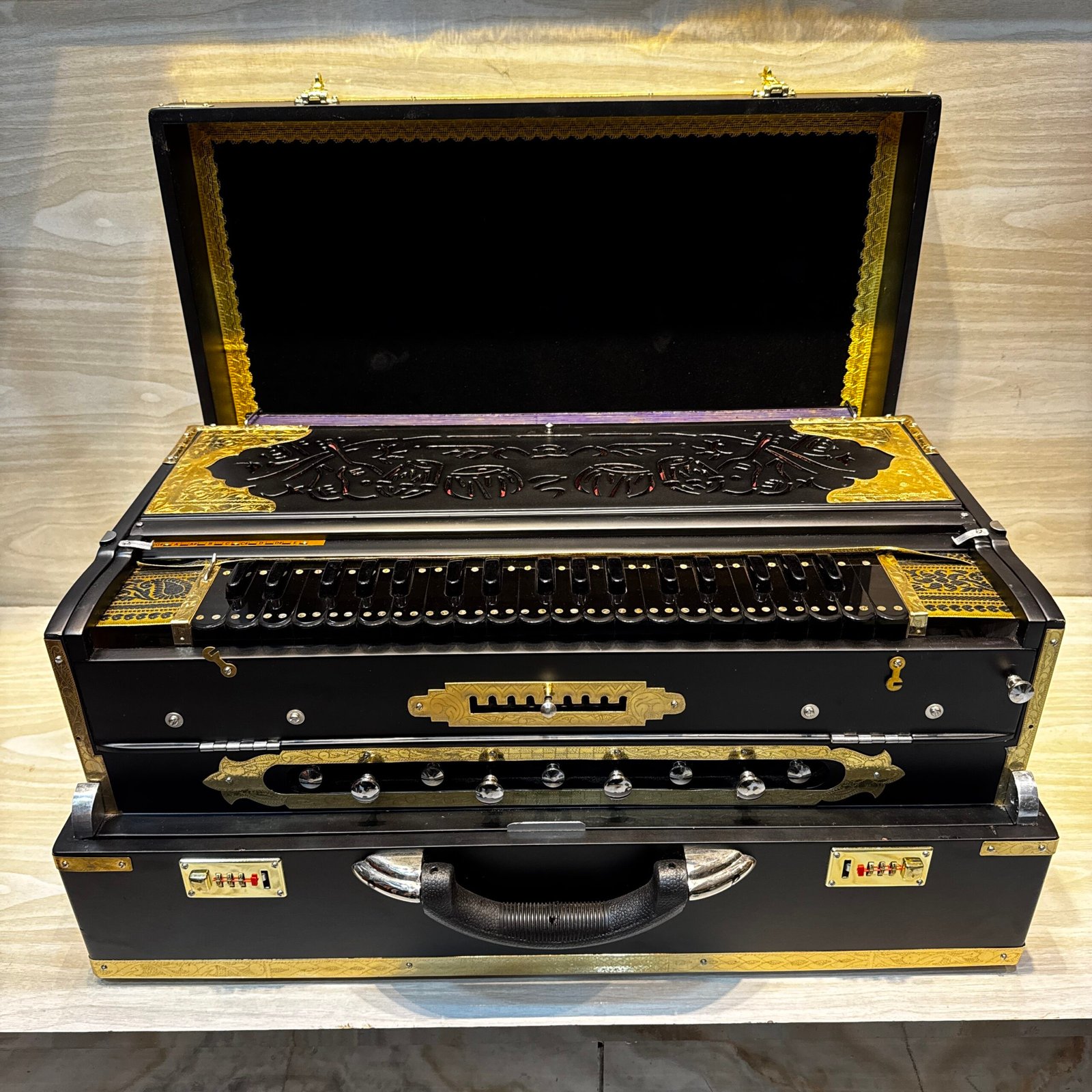
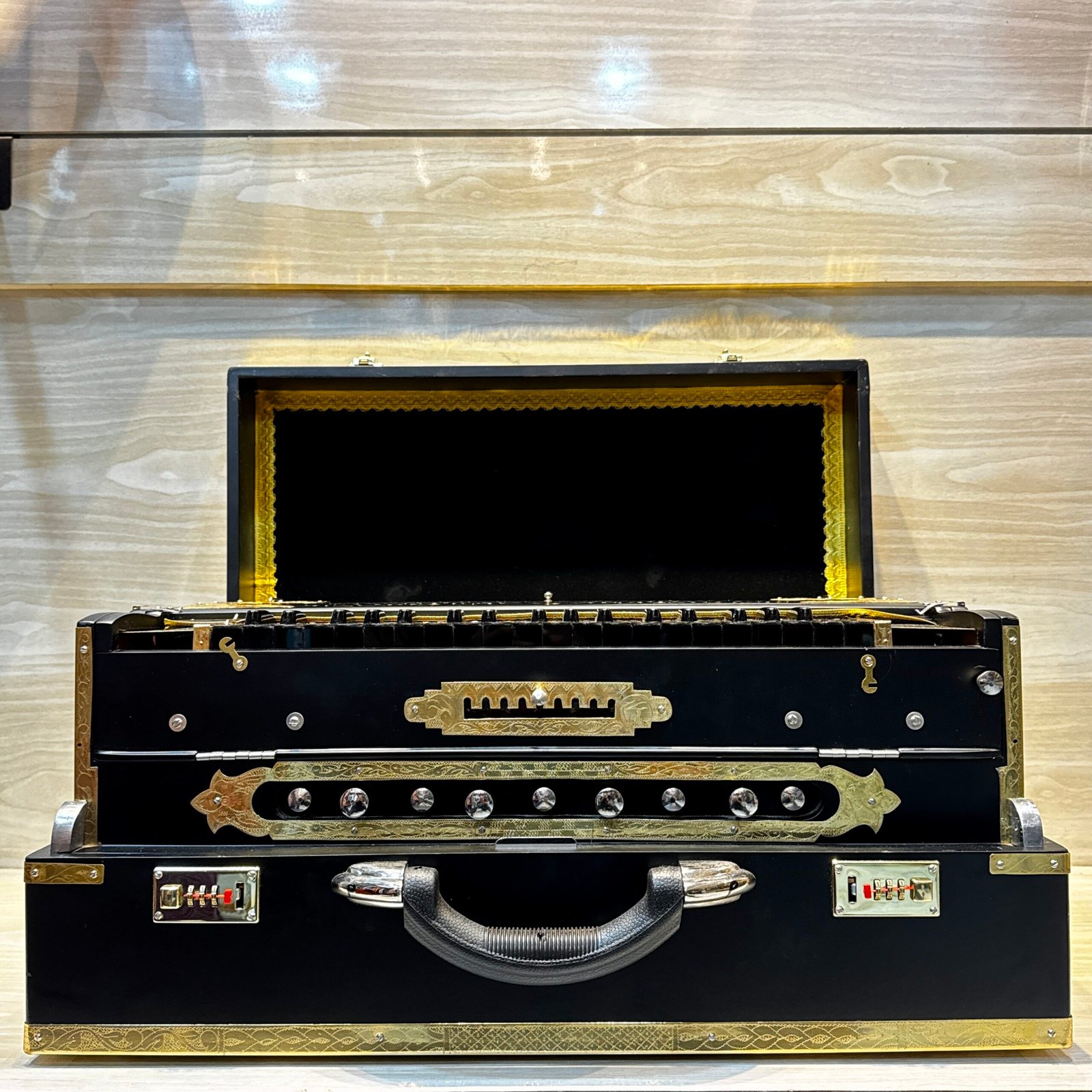
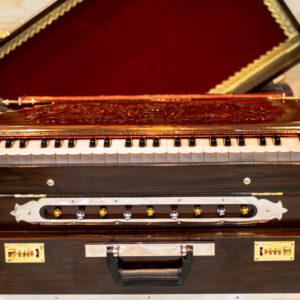
Control knobs regulate airflow to different reed sets, varying tone and volume from mellow to bold.
Coupler mechanism
Activates multiple reeds with one key press, enriching the sound with layered harmonics.
1–3 octave keyboard
Compact yet versatile for melody, drone, and accompaniment across diverse musical styles.
Bhajan
Kirtan
Qawwali
Classical vocal
Tabla ensemble
Folk traditions
The harmonium’s portability and ease of play have made it a beloved instrument across diverse musical traditions — from the concert stage to the temple courtyard, its soulful voice carries melodies that resonate across generations.
Reviews
There are no reviews yet.